Our story
Emda means “signature”. Every piece we sell carries the signature of the person who made it: their name, their workshop and their story.
Why Emda?
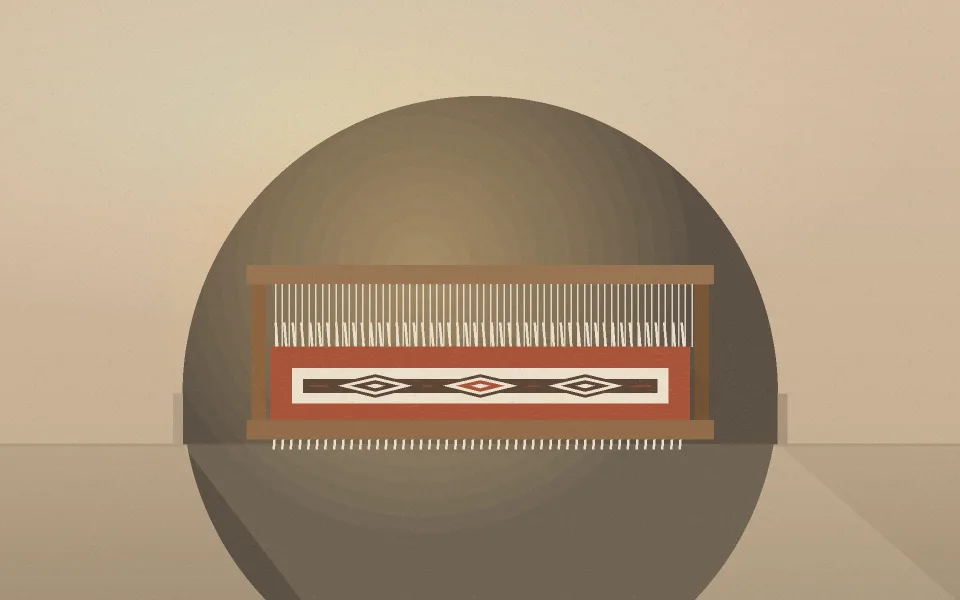
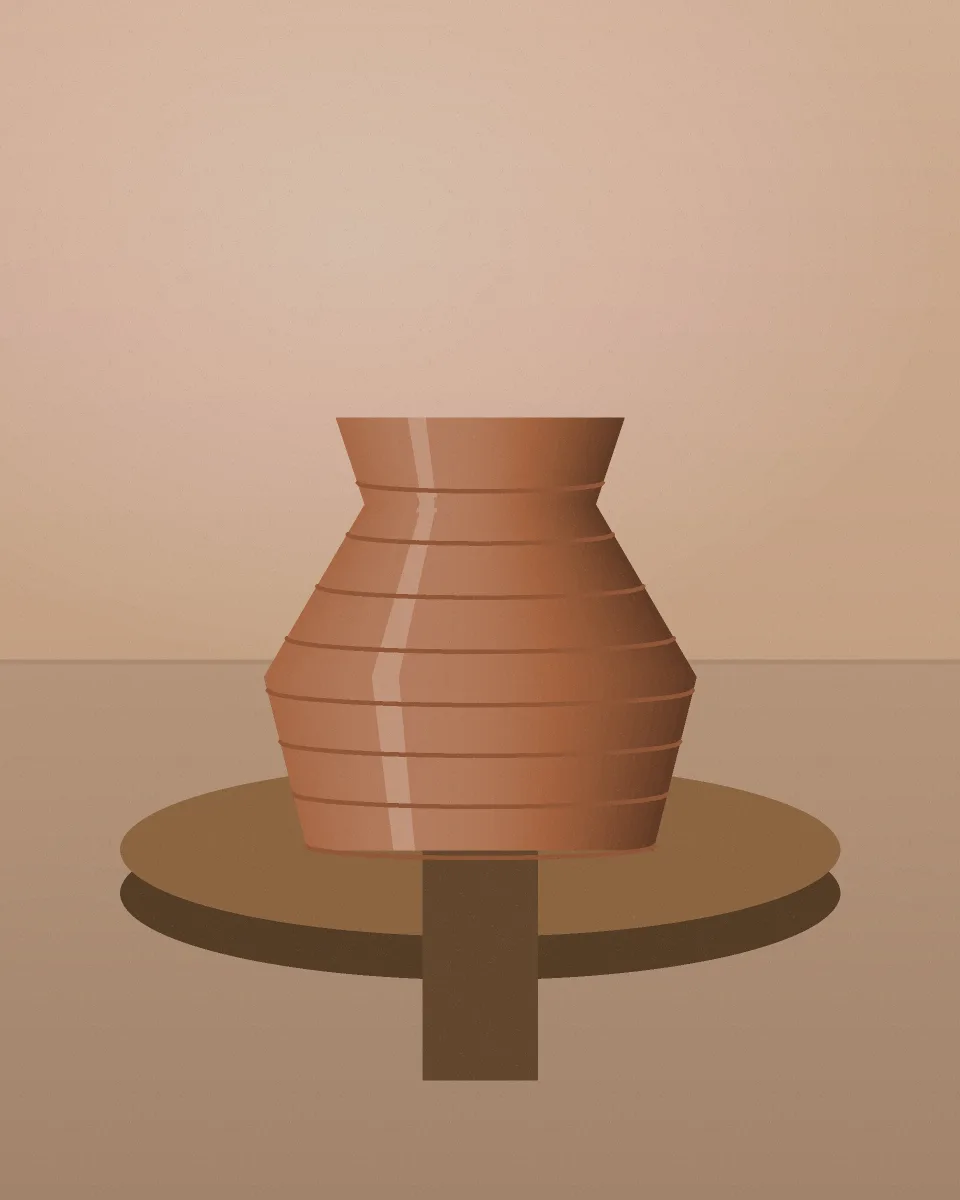
We started when we noticed that the loveliest things in our homes — the clay jug on the windowsill, the kilim in the living room, the basket in the kitchen — had no name. Someone made them by hand in a workshop somewhere, and nobody knew who.
Those makers are everywhere in Egypt: in Fuwwah and Damietta, Fayoum, Aswan and El Gamaleya. Their work is beautiful, but the road from their workshops to people’s homes is long, passing through many traders before it arrives — and the story gets lost along the way.
Emda is the short road. We travel to the workshops ourselves, choose the pieces, tell each maker’s story, and bring the piece to your home with their signature on it. When you buy, most of the money goes to the hands that made it.
“Not a factory, not a warehouse — we’re the road between the workshop and your home.”
Four things we never compromise on
-
01
We visit every workshop
We never show a piece from a maker we haven’t sat with in their workshop and whose work we haven’t seen with our own eyes.
-
02
Makers set their prices
Prices are agreed with the maker, not imposed on them, and most of each sale goes to them.
-
03
Every piece is checked by hand
Before any piece is wrapped we inspect it ourselves — if something isn’t right, it doesn’t ship.
-
04
The maker’s name on every piece
Each piece arrives with a card bearing its maker’s seal, so you know who made it and where.
- makers
- 0
- governorates
- 0
- pieces
- 32